 Blog
BlogIntroduction
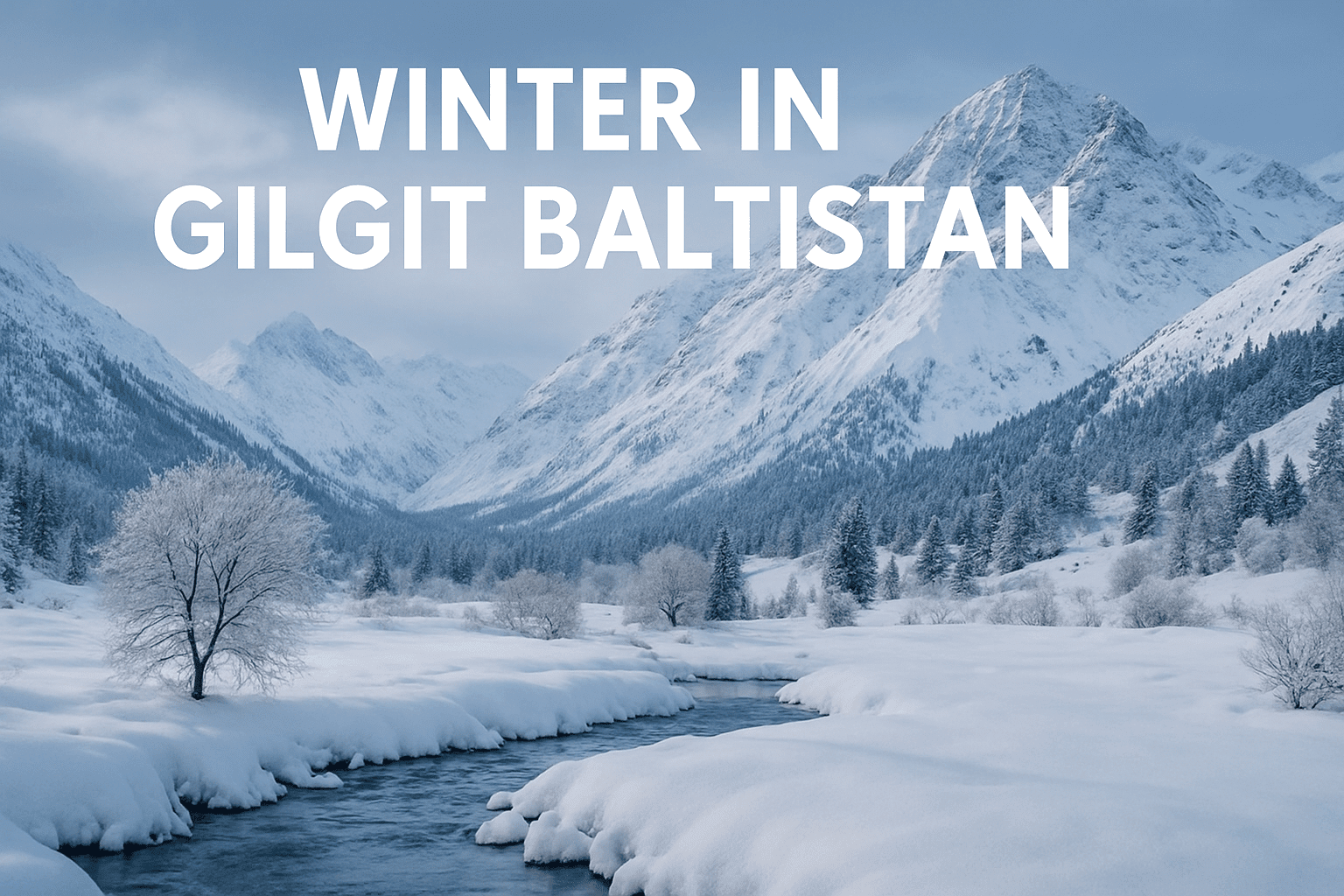
Winter in Gilgit Baltistan (GB) is nothing brief of a mysterious change. When the to begin with snowflakes start to drop — regularly around late October or November — the whole locale, from grand mountain crests to profound valleys, gets covered in snow and turns into a peaceful, white wonderland. For partners of emotional scenes and fresh mountain discuss, GB in winter offers an unparalleled involvement. But it’s not fair approximately the snow — it’s around how the snow reshapes life, tourism, culture and the exceptionally soul of the locale. In this web journal we investigate what winter in Gilgit Baltistan truly implies: the magnificence, the challenges, the enterprise, and the immortal charm.
1. When Does Winter Arrive — And What Happens
In later a long time, the winter season in Gilgit Baltistan has ended up unusual. For illustration, in early October 2025, zones like Khunjerab Top and Babusar Top gotten the to begin with snowfall of the season — a minute neighborhood communities portrayed as a welcome alleviation after a long time of postponed or inadequate snowfalls. Dawn+2Ary News+2
Once snow starts to gather, the scene — mountains, valleys, and indeed deserts — begins to alter radically. Streets and mountain passes regularly ended up smooth or totally blocked, and night‑time temperatures drop distant underneath solidifying. northerndiscover.com+2Dawn+2 This marks the onset of deep winter: snow accumulation, icy roads, frozen lakes, and a drastically different environment compared with other seasons.
For travelers and locals alike, those early snowfalls signal the start of a season where the entire region slows down — but also where it reveals one of its most magical faces.
2. Why Winter Makes Gilgit Baltistan Unique
Snow‑Capped Peaks and Icy Valleys
With towering mountains encompassing the locale — portion of the compelling Karakoram, Hindu Kush and Himalayan ranges — Gilgit Baltistan gets to be a canvas of white in winter. Snow delicately wraps crests and settles profound in valleys, turning the as of now grand scene into something straight out of a fable. The differentiate of snow against tough shake dividers, pine timberlands tidied in white, and solidified streams is essentially breathtaking.
Valleys that are lavish and green in summer — like Naltar Valley — gotten to be peaceful, noiseless snow‑covered domains. In any case, coming to them amid profound winter can be troublesome since overwhelming snowfall frequently squares streets. Wikipedia+1
Snow‑In‑the‑Desert: Cold Desert of Skardu
One of GB’s most striking winter wonders is the change of Katpana Forsake — too known as the “Cold Desert” close the city of Skardu — into a frigid region. Regularly characterized by sand rises and stark leave vistas, in winter Katpana’s hills regularly get secured in snow, making an otherworldly and strange scene of “snow in the desert.” Wikipedia+1
This uncommon combination — sand hills beneath a layer of snow — is one of the most one of a kind draws of winter in Gilgit Baltistan.
Winter Sports and Adventure
Winter isn’t just for admiring — it’s for playing. GB’s valleys and slopes get transformed into grounds for winter sports: snowboarding, skiing, jeeps through snow‑blanketed trails, snowmobiles, and more. The region has slowly built a reputation as a winter‑adventure destination. gilgitbaltistandiscoveries.com+2UrduPoint+2
Particularly, Naltar Ski Resort in the Naltar Valley stands out as the oldest ski resort in Pakistan. It offers slopes for skiing and, for the adventurous, a chance to experience crisper mountain air, snowy slopes and the thrill of descending through powdered snow. Wikipedia+1
For adventurers longing for solitude, peace, and raw nature aesthetics, winter in GB offers a unique thrill.
3. Top Valleys and Areas to Visit in Winter
If you plan to explore Gilgit Baltistan in the winter, these are some of the best valleys and areas that transform dramatically under snow:
Nagar Valley
Nagar Valley — perched at around 3,000 meters altitude — becomes a snow‑covered paradise from December to February. Snow blankets the entire valley, turning it into a tranquil and dreamy landscape. Skiing and snowboarding are popular here, especially along slopes in places like Hopper Valley and Gappa Valley. gilgitbaltistandiscoveries.com+1
Shigar Valley
Shigar Valley, too, becomes a silent charm in winter. The sweeping snow, cold air and mountain backdrop make it a serene destination, perfect for those seeking solitude or winter‑photography. gilgitbaltistandiscoveries.com
Kharmang Valley & Skardu District Valleys
The inaccessible valleys of Kharmang and the encompassing regions in Skardu locale get steady winter snowfall, with snow‑clad mountains, solidified waterways, and an air of calm and segregation — perfect for travelers looking to get off the beaten way. gilgitbaltistandiscoveries.com+1
Naltar Ski Resort & Naltar Valley
As said prior, Naltar stands out for snow‑sports. It’s too among the few places where winter tourism — skiing, snowboarding — is composed and available. Be that as it may, due to overwhelming snow, coming to Naltar may require 4×4 transport or additional arranging. Wikipedia+1
4. Winter Festivals, Culture & Local Life
Winter in Gilgit Baltistan isn’t fair around nature — it’s around community, culture, and celebration. Over later a long time, the territorial tourism specialists along with neighborhood communities have advanced winter celebrations over GB. Ice‑hockey competitions, ice‑skating occasions and conventional recreations have ended up a highlight of winter tourism. UrduPoint+1
One critical activity is the yearly winter‑festival (some of the time known as the “Winter Feast”), regularly composed in January. In any case, moving climate designs — such as deferred snowfall or deficiently ice arrangement — have started to challenge the timings and possibility of such occasions. Dialogue Earth+1
Despite these challenges, for local people, winter remains a time of community, neighborliness, and for visitors who select to courageous the cold — a interesting social involvement, frequently went with by warm neighborhood neighborliness, conventional nourishment, and the chance to take domestic nearby creates, woolens, and trinkets. UrduPoint+1
5. Challenges of Winter — What to Know
Harsh Weather & Accessibility Issues
Winter in Gilgit Baltistan is not for the faint‑hearted. With overwhelming snowfall, numerous high‑altitude streets and passes — like Babusar Pass and courses to inaccessible valleys — frequently get closed. This seriously limits travel and get to to a few regions. Dawn+2northerndiscover.com+2
In expansion, cold can be cruel: in profound winter, nighttime temperatures in numerous parts can dive distant underneath solidifying — now and then coming to indeed extremes, particularly at higher elevations. northerndiscover.com+1
For travelers, this implies legitimate arranging is basic: warm dress, adaptable agendas, and mindfulness of climate figures and street conditions.
Economic & Environmental Pressures
Recently, inconsistent snowfall — possibly linked to climate change — has started to affect winter tourism and local livelihoods. There have been reports of “snowless winters,” which not only hurt tourism but also impact water supply, agriculture, and hydroelectricity generation in the region. The Express Tribune+1
The less visitors in winter too affect neighborhood economies: inns, guesthouses, guides, doormen — numerous depend on winter tourism to support themselves. UrduPoint+1
Thus, whereas winter brings common magnificence and one of a kind encounters, it moreover brings vulnerability for numerous nearby occupants who depend on the normal beat of snow and tourism.
6. Is Winter the Right Time to Visit? — What Kind of Traveler You Should Be
If you’re inquiring “should I visit Gilgit Baltistan in winter?” — the reply depends generally on what you expect from your trip.
- If you love snowy landscapes, dramatic mountains, solitude, winter photography, and snow‑based adventure, winter can be a truly magical time. Valleys like Naltar, Nagar, Shigar, Kharmang, and even the snow‑covered Katpana Desert provide scenery you won’t find anywhere else.
- If you enjoy skiing, snowboarding, winter festivals, or want to experience the quiet charm of mountain life, winter offers a unique slice of GB that’s very different from summer trekking or spring blossoms.
- But if you want easy access, comfort, and reliable transport/hotels, winter might be challenging. Many hotels close for the season, electricity and heating can be unreliable, and roads can be blocked. As some travelers on public forums have noted:
“Unless you’re good with super cold temps and negatives … It is VERY cold already so running electricity and heating is required which is a challenge for most hotels.” Reddit
So winter is best suited for adventurous, prepared, and flexible travelers who embrace the cold, accept potential inconveniences, and value beauty and solitude over convenience.
7. Tips for Traveling to Gilgit Baltistan in Winter
If you decide to visit GB during the snowy months, here are a few practical tips to make your trip smoother:
- Check accessibility ahead of time: Keep upgraded on street closures, particularly mountain passes like Babusar and courses to farther valleys.
- Pack warm clothes & winter gear: Warm wear, great coats, waterproof boots, gloves — winter in GB is not mild.
- Be flexible with plans: Weather and snowfall may force changes — be ready for detours, delays, or cancelled plans.
- Prefer local guidance: Local guides and drivers know the terrain and snow‑conditions — go with experienced people, especially if venturing into remote areas.
- Respect the environment: Snow and fragile alpine ecosystems deserve respect — avoid littering, follow local guidelines, and preserve the pristine beauty of GB.
- Support local economy: Stay in local guesthouses (if open), buy local crafts, and hire local guides — your visit can benefit communities dependent on tourism.
Conclusion
Winter in Gilgit Baltistan is a trancelike blend of stark fabulousness, quiet calm, and unrefined characteristic enormity. From snow‑clad mountains and set valleys to the interesting presentation of a snow‑covered spurn, the district reveals a side of itself that few seasons can arrange. Yes — winter brings challenges: cold, abnormal climate, blocked lanes, and compelled comforts. But for those arranged to get a handle on the chill and orchestrate carefully, winter offers a significantly satisfying association — one that combines involvement, tranquility, culture, and awe‑inspiring characteristic beauty.
Whether you come for the snow‑clad vistas, the energize of skiing, or the quiet imprisonment of mountain valleys, winter in Gilgit Baltistan remains one of Pakistan’s most compelling and strange travel experiences.
If you want to read more blog like this visit mmtravelspk.com!